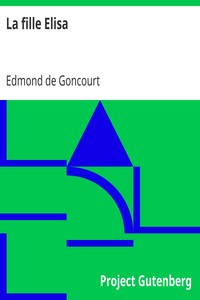
Das Kreuz im Venn : Roman by Clara Viebig

(5 User reviews)   887
By Jason Bauer Posted on Jan 12, 2026
In Category - Wit & Irony
Viebig, Clara, 1860-1952 Viebig, Clara, 1860-1952
German
Ever feel haunted by a landscape? That's the mood of Clara Viebig's 'Das Kreuz im Venn.' It's not your typical historical novel. Forget grand battles—this is about quiet, simmering tension in the Eifel region. The story kicks off with a grim discovery: a cross marking a mysterious death in the desolate moorland, the 'Venn.' This event rips open old wounds in a small, isolated community. You'll follow characters bound by tradition, suspicion, and secrets that the damp earth seems to swallow. It's less about who did it, and more about why the past refuses to stay buried. If you like atmosphere so thick you can almost feel the fog, and stories where the setting is a character itself, give this a try. It's a slow-burn, but one that gets under your skin.
Share

Read "Das Kreuz im Venn : Roman by Clara Viebig" Online

This book is available in the public domain. Start reading the digital edition below.

START READING FULL BOOK
Instant Access    Mobile Friendly

Book Preview

A short preview of the book’s content is shown below to give you an idea of its style and themes.

übernommen, lediglich offensichtliche Druckfehler wurden korrigiert. Die Originalvorlage ist in Fraktur gedruckt; Textpassagen, die im Original in Antiqua gedruckt sind, wurden hier _so_ markiert. Gesperrt gedruckter Text ist =so= markiert. Am Ende des Textes befindet sich eine Liste korrigierter Druckfehler. Clara Viebig / Ausgewählte Werke Clara Viebig Ausgewählte Werke Achter Band [Illustration: Verlagssignet] Deutsche Verlags-Anstalt Stuttgart Berlin und Leipzig 1922 Clara Viebig Das Kreuz im Venn Roman [Illustration: Verlagssignet] Deutsche Verlags-Anstalt Stuttgart Berlin und Leipzig 1922 * Alle Rechte vorbehalten Druck der Deutschen Verlags-Anstalt in Stuttgart I In die Enge der Gassen war die Sonne noch nicht hinabgedrungen. Oben auf der Ley, wo das Kapellchen beim Kirchhof steht und Tannen ihre Wipfel über den Garten des Todes recken, glänzte sie schon; hell beschien sie die geweihten Ruhestätten derer, die man hier hinaufträgt in Frühlingsluft wie in Sommerglut, in Herbstschauern wie in Winterschnee. Jeden einzelnen auf den Schultern. Denn tief unten im Talspalt liegt die Stadt, neben den Fluß gequetscht, ein Haufe altersgedunkelter Schieferdächer. Zwei schmale Längsstraßen nur hat sie. Finster blickt der verfallene Wachtturm auf Kirche und Apotheke am Markt nieder. Und von der anderen Seite am jenseitigen Berghang schaut die alte Burg herunter auf die schieferigen, schlüpfrigen Treppenplatten, die aus dem Märchen des Mittelalters hinabführen in die enge Wirklichkeit: in den Alltag der Bürgerhäuser und der klingenden Ladentürchen, der rauchenden Fabrikschlöte und der gellenden Dampfpfeife; des murmelnden Betens der Lumpensortiererinnen und des regelmäßigen Geplappers vieler nägelbeschlagener Schuhe auf spitzigem Pflaster; des gemütlichen Schwatzens der Skatbrüder beim Schoppen, des Weibergeträtsches und des Sporenklirrens der Herren vom Schießplatz, die ihre freie Zeit benützen zu einer Flasche Sekt und einem guten Diner bei der schönen Helene im »Weißen Schwan«. Der Weiße Schwan war heute so wie immer der Sammelplatz. Vor seiner verschnörkelten Barocktür, darüber der Schwan, künstlich aus Kupferplättchen gehämmert, schon ein Jahrhundert sich schaukelt, drängten sich die Herren. Alle in Zylindern und schwarzen Röcken; doch auch einige Uniformen waren unter dem feierlichen Schwarz. Der Wirt vom Schwan war gestorben, noch ein junger Mann, der einen guten Wein und eine gute Küche geführt hatte. »Armer Kerl,« sagte Adjutant von Scheffler, der eigens vom Platz herunterbeordert worden war, das Offizierkorps zu vertreten. »War immer höchst fidel und wußte sich doch dabei in den ihm zukommenden Grenzen zu halten. Und engherzig in keiner Weise – nee, wahrhaftig nicht!« Er lächelte flüchtig. Der junge Leutnant Abeking lächelte auch. Die Augen halb schließend, blinzelte er in den jetzt schnell in die Gasse niedersteigenden Sonnenschein; er konnte das Lächeln nicht unterdrücken, das ihm kam, wenn er der vorigen Sonntagnacht gedachte, in der die schöne Helene bei einer fröhlichen Bowle ihm Blicke zugeworfen hatte – Blicke! Und ihr Fuß hatte den seinen gesucht, und neben ihn war sie gerückt, hatte sich gar nicht mehr um die andern gekümmert, hatte ihm zugetrunken und ihr Knie an dem seinen gerieben! Noch jetzt fühlte er, wie der Strom Leben, der von ihr ausging, ihm durch den Körper rieselte. Und der dicke Wilhelm hatte sein behagliches Lachen dazu gelacht und listig geblinzelt und noch an kein Arg gedacht. Daß der so schnell hatte sterben müssen! Ein plötzlicher Schauer überrann den jungen Offizier. Scheußlich, so aus dem vollen Leben und von einem so famosen Weibe weg zu müssen! »Am Suff ist er gestorben,« sagte jetzt plötzlich jemand ganz laut. Das war der Tierarzt. Verschiedene lächelnde und auch einige unwillige Gesichter wendeten sich dem kleinen, untersetzten, immer echauffiert aussehenden Manne zu: natürlich, der Dreiborn konnte wieder seinen Mund nicht halten! Aber diesmal hatte er recht! Und nun wußte der Apotheker auch Näheres: Herz und Nieren waren längst krank gewesen, der Doktor hatte ihm immer...

This is a limited preview. Download the book to read the full content.

Clara Viebig's novel pulls you into the bleak, beautiful world of the Eifel moors in the late 19th century. The story begins with a death—marked only by a simple cross in the lonely Venn. This isn't a fast-paced whodunit. Instead, it's a careful look at how that death echoes through a village where everyone knows everyone, and old grudges are as common as the morning mist.

The Story

We see life through the eyes of several villagers: farmers struggling with poor soil, a priest wrestling with doubt, and families trapped by rigid social rules. The central mystery of the cross acts like a stone thrown into a still pond. It stirs up gossip, reawakens long-buried conflicts, and forces people to confront truths they'd rather ignore. The plot moves with the rhythm of rural life, showing how superstition, religion, and human nature collide in a place cut off from the wider world.

Why You Should Read It

Viebig's real talent is making the landscape a living, breathing part of the story. You can feel the chill of the fog and the heaviness of the peat. Her characters aren't heroes or villains; they're just people trying to survive, often making flawed choices. She writes about women's lives with a sharp eye for the limitations they faced. Reading it feels less like studying history and more like eavesdropping on a community's private struggles.

Final Verdict

This book is perfect for readers who love immersive historical fiction that prioritizes mood and character over plot twists. If you enjoyed the slow-burn tension of writers like Thomas Hardy or the regional focus of someone like Willa Cather, you'll find a lot to love here. It's a thoughtful, atmospheric novel that proves sometimes the quietest stories leave the loudest echoes.


📜 Community Domain

This historical work is free of copyright protections. You are welcome to share this with anyone.

Deborah Nguyen
5 months ago

Simply put, the clarity of explanations makes revisiting sections worthwhile. I would gladly recommend this to others.

Elizabeth Wilson
5 months ago

I stumbled upon this by accident and the storytelling feels authentic and emotionally grounded. A valuable addition to my digital library.
Lisa Baker
6 days ago

I decided to give this a chance and the style is confident yet approachable. This left a lasting impression on me.

Joseph Martin
4 months ago

At first I wasn’t convinced, but the translation seems very fluid and captures the original nuance perfectly. This turned out to be a great decision.

Joseph Jackson
5 months ago

I was genuinely impressed since the author demonstrates strong mastery of the topic. I will be reading more from this author.

5
5 out of 5 (5 User reviews )

Add a Review

Your Rating *
There are no comments for this eBook.
You must log in to post a comment.
Log in

Related eBooks